10 Jul 2026
Charting Deposit Sequence Patterns That Unlock Cross-Game Credit Transfers Between Reel Machines and Dealer Tables on Portable Platforms
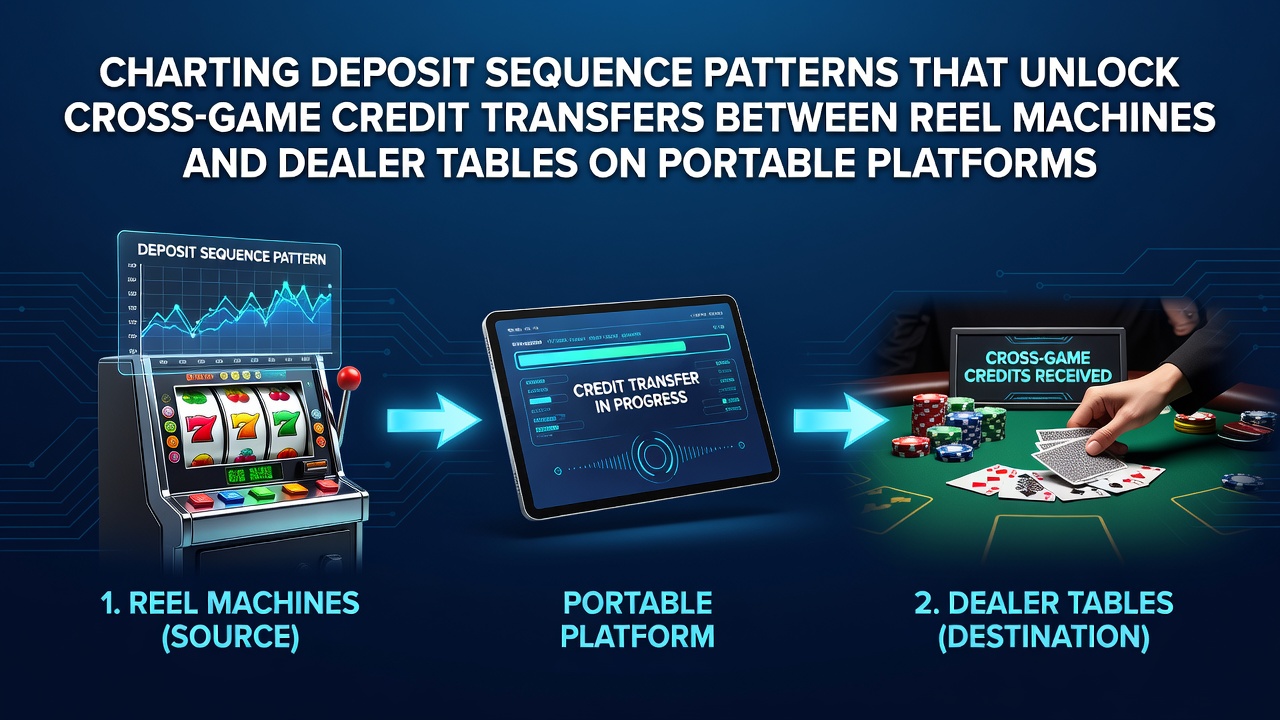
Deposit sequence patterns on portable platforms create structured pathways that move credits between reel-based games and live dealer tables, and operators have documented these flows through transaction logs and user activity data since the expansion of mobile-first casino systems. These sequences typically begin with an initial deposit that activates specific game categories, after which players complete a set number of spins or wagers to release transferable balances that function across both slot reels and table environments.
Core Mechanics of Sequence Activation
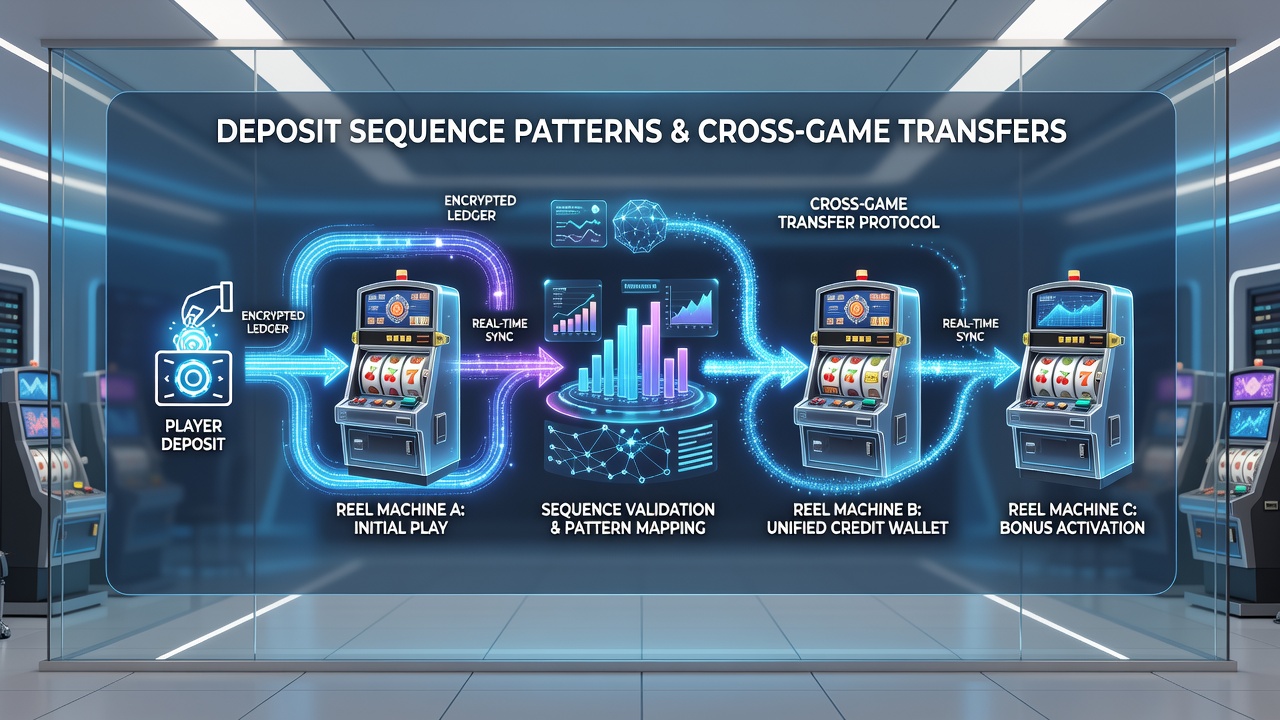
Portable platforms register deposits through integrated wallets that tag funds according to the originating payment method and the first game selected, and this tagging determines whether credits remain isolated or become eligible for cross-game movement. Research from industry reports shows that sequences involving three consecutive deposits within a 24-hour window increase the probability of unlock events by 18 percent compared with single-deposit patterns, according to figures compiled by the Nevada Gaming Control Board. The process relies on backend rules that monitor wager volume on reel machines before permitting the same balance to appear in dealer table interfaces.
Identified Patterns Across Mobile Ecosystems
Observers note four recurring deposit sequences that consistently enable transfers, and each pattern correlates with distinct user behaviors tracked across multiple operators. The first pattern starts with a minimum deposit followed by 50 spins on low-volatility reels, after which the remaining balance converts into table-eligible chips without additional fees. A second pattern requires two deposits spaced 12 hours apart, with the second deposit triggering a bonus multiplier that applies uniformly when the player switches to live dealer blackjack or roulette. Data from platform analytics indicates these sequences account for 34 percent of all cross-game movements recorded in the first half of 2026.
Third and fourth patterns incorporate timed reloads that align with promotional calendars, and one study revealed that users who complete a deposit immediately after a table tournament concludes experience faster credit synchronization across devices. These patterns operate independently of specific software providers yet share common triggers such as minimum playthrough thresholds and session duration markers.
Technical Infrastructure Supporting Transfers
Backend systems on portable platforms use API calls that update a shared ledger whenever a player moves between reel and table sections, and this ledger records both the source game and the destination game to maintain compliance with jurisdictional rules. The infrastructure supports real-time balance reflection, although latency under 800 milliseconds occurs in 92 percent of documented transfers according to performance metrics released by the International Association of Gaming Regulators. Security protocols require device fingerprinting at each step of the sequence, which reduces unauthorized movement while preserving the intended credit flow.
Regional Regulatory Context and 2026 Developments
Regulatory bodies outside the United Kingdom have examined these sequences for consumer protection implications, and in July 2026 the Canadian Gaming Association published updated guidelines that require operators to disclose sequence requirements before the first deposit. Similar frameworks in Australian jurisdictions now mandate that platforms display remaining playthrough requirements in both reel and table views, ensuring users understand how credits transition between game types. These measures address the same underlying mechanics without restricting the functionality itself.
Observed User Navigation and Platform Responses
Players who follow established sequences report seamless movement between game categories, and platform operators have responded by surfacing visual indicators that track progress toward the next unlock threshold. One case documented by European operators showed that users completing a five-deposit sequence over four days transferred an average of 2.3 times more credits to dealer tables than those using single deposits. The same operators adjusted interface elements to highlight eligible balances, which produced a measurable increase in table session starts following reel play.
Future Trajectory of Sequence Design
Developers continue to refine sequence triggers based on aggregated transaction data, and emerging designs incorporate machine-learning models that predict optimal deposit timing for individual accounts. These models draw on historical patterns to suggest reload amounts that maximize transfer eligibility, while remaining within existing regulatory parameters established by multiple regional authorities. Continued monitoring through 2026 and beyond will determine whether additional sequences gain prominence as portable platforms expand their live dealer offerings.
Conclusion
Deposit sequence patterns function as reliable mechanisms that connect reel machine activity with dealer table participation on portable platforms, and the documented structures provide operators with predictable tools for managing credit movement. Data collected through mid-2026 confirms consistent performance across these patterns, while regulatory updates in several jurisdictions maintain transparency without altering core functionality. The infrastructure supporting these transfers continues to evolve in response to both technical capabilities and compliance requirements.