17 Aug 2026
Event Wave Dynamics: Channeling Slot Reels into Live Dealer Pools in App-Based Casino Systems
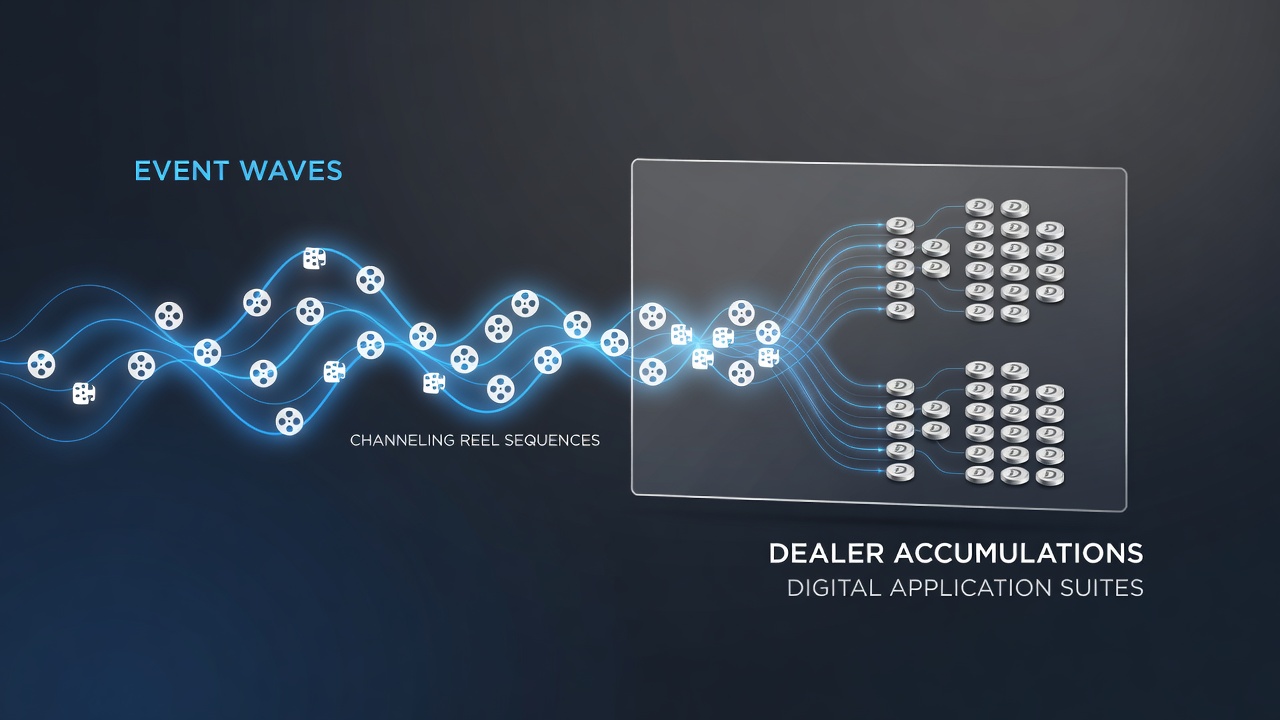
Digital application suites in the casino sector have developed mechanisms that direct sequences from slot reels into accumulations managed by live dealers, creating integrated pathways across mobile and desktop platforms. These processes rely on event waves that capture reel outcomes and route them toward dealer-managed pools, where they contribute to progressive elements or bonus structures in real time. Observers note that such channeling occurs through backend protocols designed to synchronize slot data streams with live table environments, allowing contributions from one game type to influence another without requiring separate player actions.
Platform developers implement these flows using API connections that monitor reel spins and trigger corresponding entries into dealer accumulations. Data shows that event waves typically activate when specific reel combinations appear, at which point the system records the sequence and forwards it to a central accumulation ledger visible in live dealer sessions. This integration has expanded in recent years as operators seek to unify disparate game modules within single application frameworks, reducing the separation between automated slot play and human-hosted dealer tables.
Technical Architecture Behind Reel-to-Dealer Transfers
Engineers construct these systems around modular event listeners that detect reel activity and translate it into dealer pool increments. Each wave carries metadata such as spin value, symbol type, and timestamp, which the application suite processes before depositing the information into live accumulation accounts. Researchers at gaming technology conferences have described how these listeners operate on millisecond-level timing to maintain synchronization, ensuring that reel sequences reach dealer interfaces before the next live round begins. The architecture often incorporates redundancy layers so that interrupted connections do not lose accumulated contributions, preserving continuity across sessions.
Application suites further refine these transfers through conditional rules that filter which reel events qualify for channeling. For instance, only spins meeting predefined stake thresholds or occurring during promotional windows advance to dealer accumulations, while standard plays remain isolated. Industry reports indicate that this filtering reduces server load while concentrating meaningful contributions into live dealer environments where players can observe the results directly.
Operational Patterns Observed in August 2026 Deployments
Updates rolled out in August 2026 introduced enhanced wave compression techniques that bundle multiple reel sequences into single packets before transmission to dealer systems. These packets allow live tables to receive aggregated data from hundreds of slot sessions simultaneously, accelerating the rate at which accumulations grow. Platform operators testing the updates reported smoother handoffs between automated and live modules, with fewer instances of delayed crediting. The changes aligned with broader shifts toward unified wallet systems that track both slot-derived and dealer-derived balances in one interface.
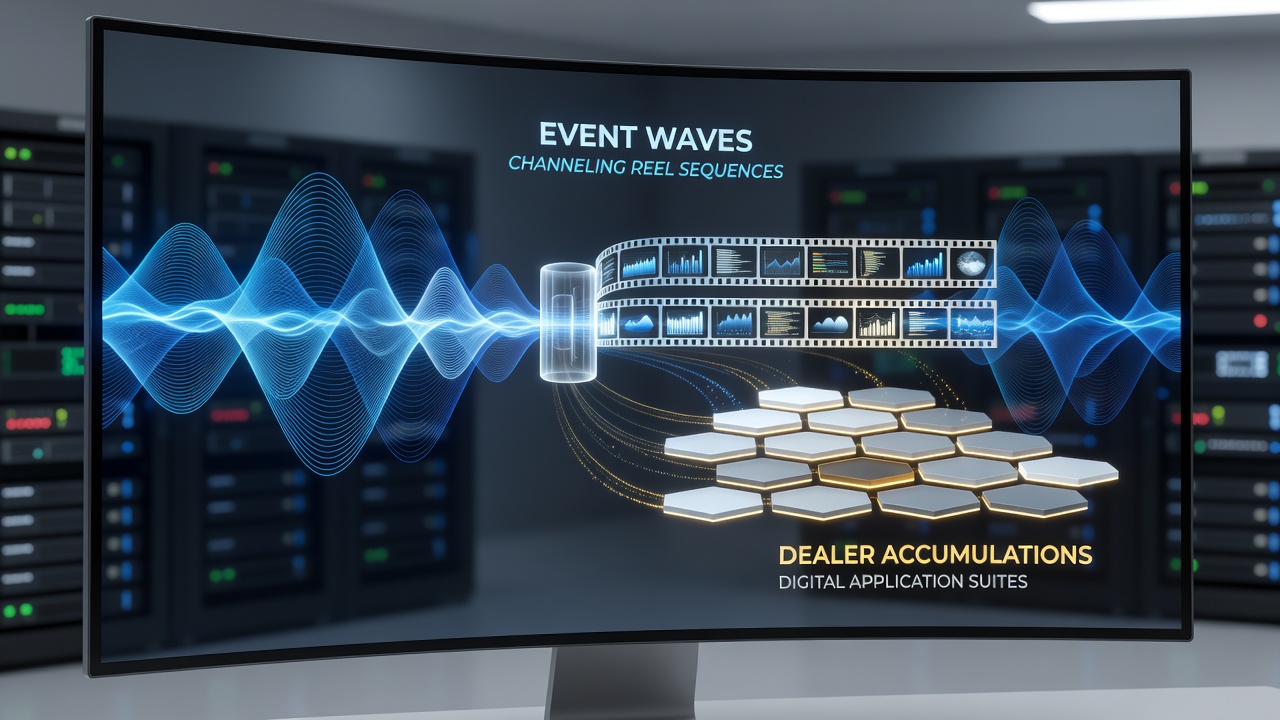
Regional testing in North American and European markets during that period revealed consistent performance gains when event waves incorporated predictive queuing. The queuing mechanism anticipates dealer table availability and pre-allocates reel contributions to upcoming rounds, minimizing idle accumulation time. Figures from those deployments show average accumulation growth rates increased by measurable margins compared with prior configurations.
Regulatory and Compliance Considerations Across Jurisdictions
Regulatory bodies outside the UK have issued guidance on how such integrated systems must maintain audit trails for all transferred events. The American Gaming Association has published frameworks requiring timestamped logs of every reel-to-dealer wave so that oversight agencies can verify fairness and contribution accuracy. Similar requirements appear in Australian regulatory updates, where operators must demonstrate that accumulation values reflect only eligible reel sequences and that live dealer displays accurately represent those values to participants.
Compliance teams within application suite providers now embed automated verification scripts that cross-check wave integrity before release into dealer pools. These scripts flag anomalies such as mismatched values or missing metadata, halting the transfer until resolution occurs. Data from compliance audits conducted in multiple regions confirms that the added verification layer has reduced discrepancies without materially slowing transaction speeds.
Player Experience and Interface Design Elements
Users encounter these channeled accumulations through visual indicators that appear in both slot and live dealer views. Progress bars or meter graphics update in real time as reel sequences feed into the shared pools, giving immediate feedback on how individual spins contribute to larger dealer-managed totals. Interface designers have incorporated hover or tap actions that reveal the originating reel sequence for any given accumulation increment, increasing transparency within the application suite.
Testing groups have noted that players who engage with both slot and live modules within the same session tend to interact more frequently with accumulation displays. This pattern holds across different device types, suggesting that the event wave system itself encourages cross-module exploration rather than isolated play in single game categories.
Conclusion
Event wave systems that channel reel sequences into dealer accumulations represent a maturing layer within digital casino application suites. The technical, operational, and compliance elements described above continue to evolve as platforms refine synchronization methods and regulatory expectations shift. Continued deployment of these mechanisms will likely depend on the ability of developers to balance speed, accuracy, and transparency across expanding user bases.