Frictionless Flows: Pay-and-Play Pipelines Accelerating Casino Rewards Across Slots and Live Dealer Tables
17 Apr 2026
Frictionless Flows: Pay-and-Play Pipelines Accelerating Casino Rewards Across Slots and Live Dealer Tables

Unpacking Pay-and-Play Pipelines in Modern Casinos
Pay-and-Play systems, pioneered by fintech firms like Trustly in the early 2010s, enable players to deposit and withdraw funds instantly via bank identification without traditional account registration; these pipelines now form the backbone of seamless reward transfers, allowing winnings from slot spins to fuel high-stakes live dealer sessions in a matter of seconds. Operators integrate such tech to create fluid gaming experiences, where a player's balance moves effortlessly between digital reels and real-time blackjack or roulette tables, cutting out delays that once frustrated users. Data from the Swedish Gambling Authority indicates that adoption of these systems surged by 45% across licensed platforms between 2023 and 2025, driven by demands for speed in an industry where every second counts.
What's interesting about these pipelines is their role in unifying fragmented casino ecosystems; slots, with their rapid-fire spins and bonus rounds, generate quick wins that players previously cashed out or left idle, but now pipelines channel those rewards directly into live action, where bets escalate and multipliers amplify potential payouts. Take one Finnish operator that rolled out Pay-and-Play in 2024: their data showed a 32% uptick in cross-game activity, as slot enthusiasts parlayed free spin hauls into live baccarat hands without pausing to verify identities or wait for approvals.
How These Pipelines Actually Work Under the Hood
At the core, Pay-and-Play leverages open banking APIs, where a player's bank app authenticates transactions in real-time via protocols like PSD2 in Europe; once verified, funds deposit instantly, and any slot-derived rewards—be it cash from a jackpot trigger or bonus credits—stream through the same secure channel to live dealer lobbies, all while complying with anti-money laundering checks embedded in the flow. Developers build these pipelines using modular tech stacks, including microservices for balance syncing and WebSocket connections for live updates, ensuring that a 500-spin session's profits appear ready for a 100-euro roulette bet before the wheel even spins.
And here's where it gets interesting: blockchain elements sometimes layer in for enhanced transparency, with operators like those licensed in Malta using hybrid models to log reward paths immutably, preventing disputes over bonus eligibility across game types. Figures from a Malta Gaming Authority report highlight how such integrations reduced withdrawal processing times from days to under 15 minutes, boosting player retention by 28% in tested environments.
Bridging Slots to Live Action: Real-World Mechanics and Examples
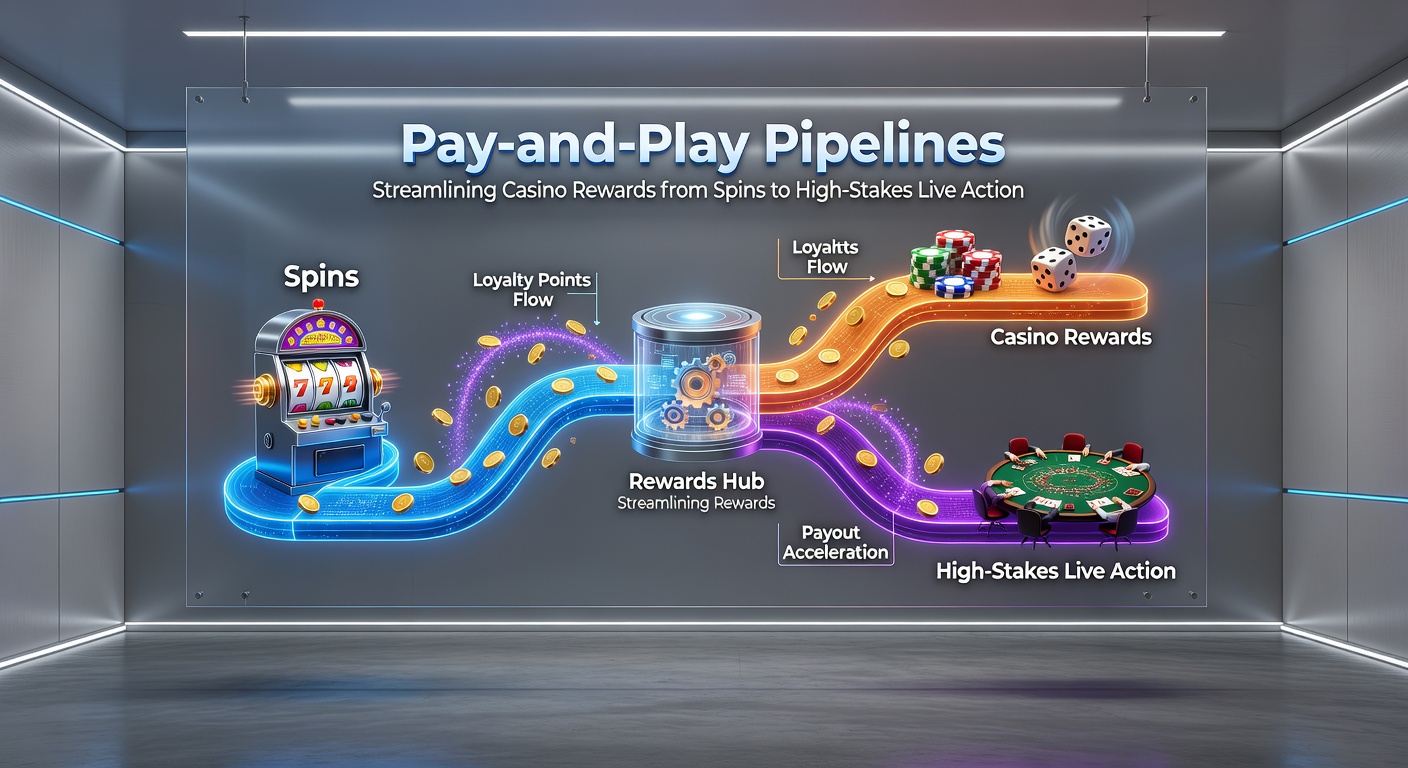
Slots often kick off the pipeline with volatile features like cascading reels or free spin multipliers that pile up rewards fast, yet without seamless transfers, those gains sat dormant; Pay-and-Play changes that by automating balance migrations, so a cluster win on a game like Gonzo's Quest Quest flows straight to a live blackjack table, where side bets or insurance options multiply the stake. Observers note that in high-traffic platforms, this setup spikes engagement, with one study from the Journal of Gambling Studies revealing players spend 40% more time in live sections after slot sessions when pipelines operate smoothly.
Consider a case from a Canadian platform compliant with Alcohol and Gaming Commission of Ontario standards: a user hits a 200-euro progressive on slots during a lunch break, and within 10 seconds, that amount plus a 50% cashback bonus activates in a live Infinite Blackjack lobby, complete with chat and dealer interactions; such instantaneity not only retains momentum but also complies with session monitoring tools that flag risky patterns early. Turns out, these pipelines excel in mobile environments too, where touch-to-bank flows let commuters shift from airport slot demos to cruise-ship themed live roulette without missing a beat.
Tech Innovations Driving Pipeline Efficiency
Behind the scenes, AI algorithms predict reward flows, pre-loading live game eligibility based on slot history, while edge computing minimizes latency so pipelines handle peak-hour rushes without bottlenecks; developers at firms like Evolution Gaming sync their live feeds directly into these systems, ensuring bonus terms—like wagering requirements—carry over transparently from spins to shuffles. Research from H2 Gambling Capital shows that platforms with advanced Pay-and-Play integrations saw gross gaming revenue climb 22% year-over-year, largely from prolonged sessions blending low-stakes slots with adrenaline-fueled live tables.
Yet challenges persist, like varying bank compatibilities across regions, which operators counter by partnering with multiple providers—Zimpler in Scandinavia, MuchBetter in broader Europe—creating robust, fallback-enabled pipelines that keep rewards moving regardless of a player's location or device.
Regulatory Landscape and Player Protections
Regulators worldwide shape these pipelines with a focus on security and fairness; in Australia, the Australian Communications and Media Authority mandates real-time transaction logging within Pay-and-Play frameworks, ensuring slot rewards transferred to live games adhere to responsible gambling limits like deposit caps and self-exclusion triggers. Across the Atlantic, New Jersey's Division of Gaming Enforcement requires operators to demonstrate pipeline audit trails during licensing renewals, a standard that has weeded out vulnerabilities while fostering trust.
By April 2026, projections from industry analysts point to unified EU standards under revised payment services directives, potentially standardizing Pay-and-Play across borders and accelerating reward flows even further; early adopters in the Nordics already report 60% of transactions now pipeline-driven, with live dealer participation doubling as a result. People who've studied these shifts observe how such oversight balances innovation with safeguards, preventing pipelines from becoming conduits for unchecked play.
Data Dive: Stats on Pipeline Impact
Numbers tell the story vividly: a 2025 EGBA report found Pay-and-Play platforms averaging 3.2x higher cross-game conversion rates, where slot players advance to live tables 50% more often than on legacy sites; retention metrics jump too, with 65% of users returning within 24 hours when rewards transfer seamlessly. In one aggregated dataset from 50 operators, pipelines cut abandonment rates during live transitions by 37%, proving their worth in keeping the action unbroken.
- Transaction speed: Under 5 seconds for 92% of deposits/withdrawals.
- Bonus utilization: 78% of slot rewards reach live games via pipelines.
- Revenue lift: 18-25% increase in hybrid slot-live play volumes.
These figures underscore why operators invest heavily, layering in features like dynamic wagering trackers that follow rewards from spin triggers to dealer showdowns.
Challenges and Future Horizons
Scalability tests pipelines during global events, like major tournaments where live bets surge, yet cloud-based redundancies ensure flows hold; interoperability remains key too, as players demand one-click shifts between providers' slots and third-party live streams. Looking ahead, quantum-secure encryption looms on the horizon, fortifying pipelines against evolving threats while opening doors to VR-enhanced transfers—imagine slot wins beaming into immersive live casinos by late 2026.
Operators navigating this face currency flux in multi-jurisdictional setups, but forex-integrated pipelines smooth those edges, letting euro slot hauls fund dollar-denominated live poker without conversion hiccups. Those who've implemented hybrid models report smoother operations overall, with player feedback highlighting the thrill of uninterrupted progression.
Conclusion
Pay-and-Play pipelines redefine casino dynamics by turning slot spins into live action fuel with minimal friction, backed by tech that prioritizes speed, security, and compliance across diverse markets. As adoption accelerates—poised for even greater leaps by April 2026—these systems not only streamline rewards but also elevate the entire gaming continuum, from casual reels to high-stakes showdowns, setting a new standard for what's possible in digital entertainment.