8 Jul 2026
Heart Rate Syncing Technology Redefining Casino Reward Systems
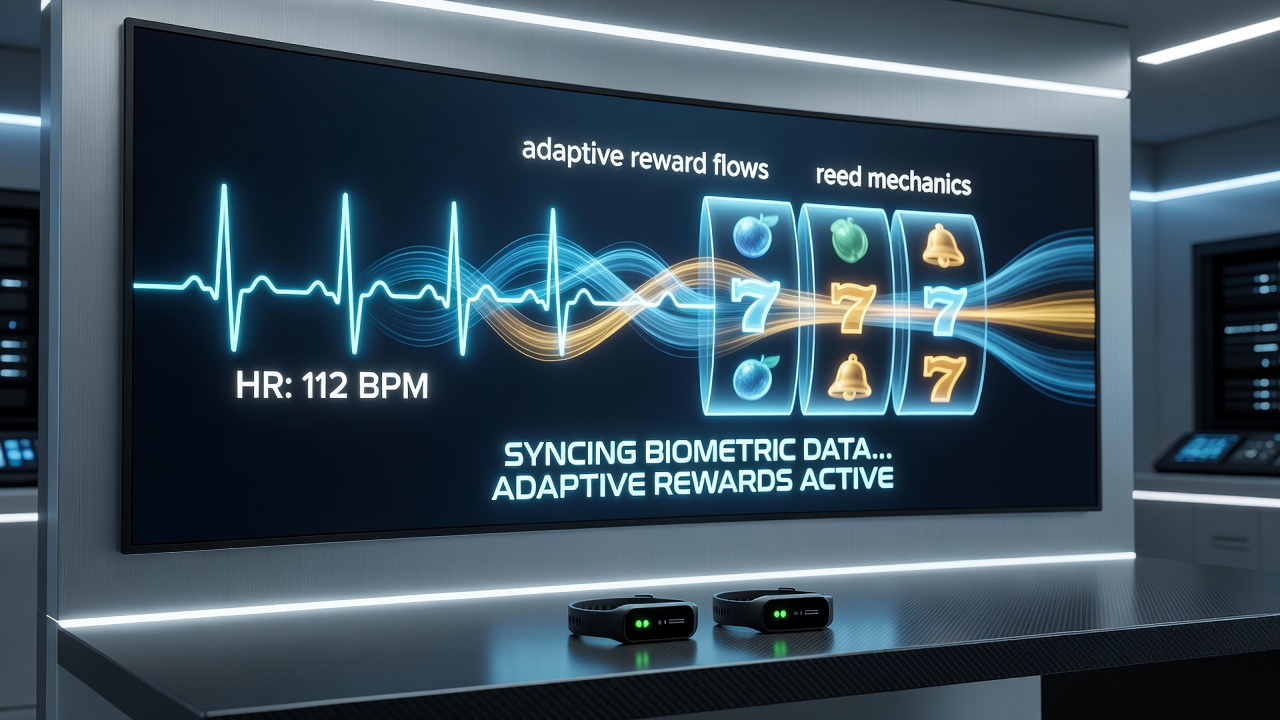
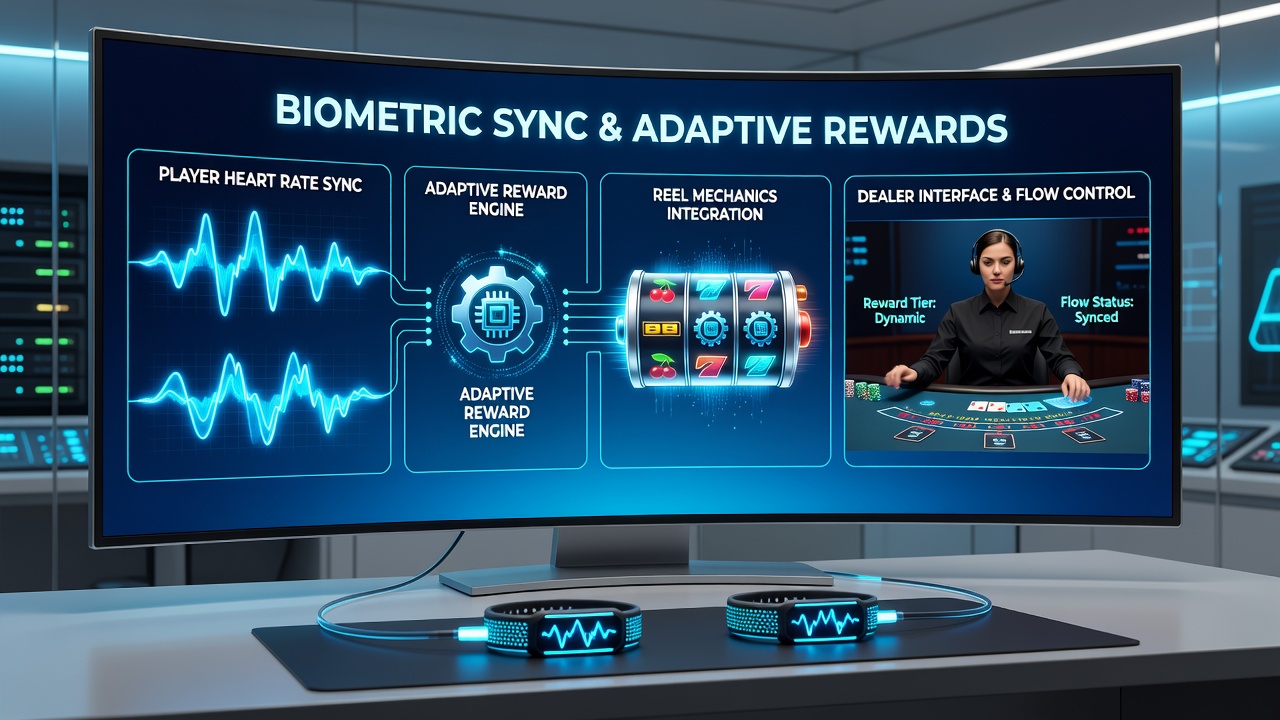 Biometric sensors now connect directly to player heart rates and adjust reward structures in real time across both slot reels and live dealer tables. Systems detect elevated or steady heart rates during gameplay sessions then modify bonus frequencies, payout multipliers, and progressive contributions accordingly while operators collect anonymized data streams for further calibration. These integrations rely on wearable devices or embedded chair sensors that transmit pulse data to central servers without storing personal identifiers. Reel mechanics respond by altering symbol drop rates or triggering micro-bonuses when heart rate patterns indicate sustained engagement, whereas dealer interfaces display adaptive side bets or insurance options calibrated to the same biometric signals.
Core Mechanics of Biometric Integration
Sensors sample heart rate at intervals of several seconds and feed readings into algorithms that categorize arousal levels into bands such as low, moderate, and high. When readings enter the moderate band, slot systems increase the probability of scatter symbols appearing on the next few spins while live tables adjust minimum bet thresholds for side wagers.
Developers have tested these flows in controlled environments where heart rate spikes during near-miss sequences prompted immediate reward adjustments to maintain session continuity. Data from multiple pilot programs shows that synchronized reward timing correlates with longer average play durations across both digital and hybrid game formats.
Implementation Across Reel and Table Environments
Slot manufacturers embed API hooks that let biometric inputs override standard random number generator outputs within regulatory limits. In July 2026 several platforms plan to roll out updated firmware that expands these hooks to include multi-player progressive pools shared between online reels and physical live dealer studios.
Live dealer interfaces receive parallel updates through tablet overlays visible only to the dealer, showing suggested bet adjustments derived from aggregated heart rate data of participating remote players. This setup maintains the social element of table games while allowing individualized reward pacing without disrupting the shared game state.
Regulatory and Technical Considerations
Jurisdictions outside the UK have begun reviewing technical standards for biometric data handling in gaming. The Nevada Gaming Control Board published draft guidelines in early 2025 that require clear separation between reward adjustment logic and any marketing databases while mandating regular third-party audits of sensor accuracy.
Australian research institutions have examined similar systems in land-based venues and reported that heart rate synchronization reduced player drop-off rates during extended sessions when compared with control groups using standard game configurations. Those findings appear in reports issued by the Australian Gambling Research Centre.
Data Flow and Security Protocols
Heart rate readings travel through encrypted channels to edge servers located within casino premises before aggregation removes individual timestamps. Only statistical summaries reach the reward engine, which then applies rule sets such as boosting free spin allocations when group average heart rates remain elevated for more than ninety seconds.
Operators must maintain logs that demonstrate compliance with data minimization principles yet still allow regulators to verify that adaptive flows do not create unfair advantages. Several European testing labs now offer certification programs specifically for biometric gaming modules, and adoption has increased steadily since 2024.
Future Integration Pathways
Industry observers note ongoing experiments that combine heart rate data with eye-tracking and grip pressure sensors to create multi-modal profiles. These expanded systems could eventually link reel outcomes with live dealer decision points in hybrid tournaments where participants compete across both formats simultaneously.
Technical white papers from hardware suppliers indicate that latency between sensor input and reward adjustment currently averages under 800 milliseconds on 5G networks, a threshold considered acceptable for maintaining perceived fairness in fast-paced games. Continued refinement focuses on reducing that interval further while preserving bandwidth for high-definition video feeds in live dealer environments.
Conclusion
Biometric sensor technology continues to expand its role in casino reward design by linking physiological signals directly to game mechanics. Current deployments demonstrate measurable effects on session metrics while regulatory frameworks in multiple regions establish boundaries for responsible implementation. Additional studies scheduled for release after July 2026 will provide further insight into long-term patterns across diverse player populations and game categories.