26 Aug 2026
Tracing Bonus Pathways Across Mobile Slot Reels and Table Progressive Pools
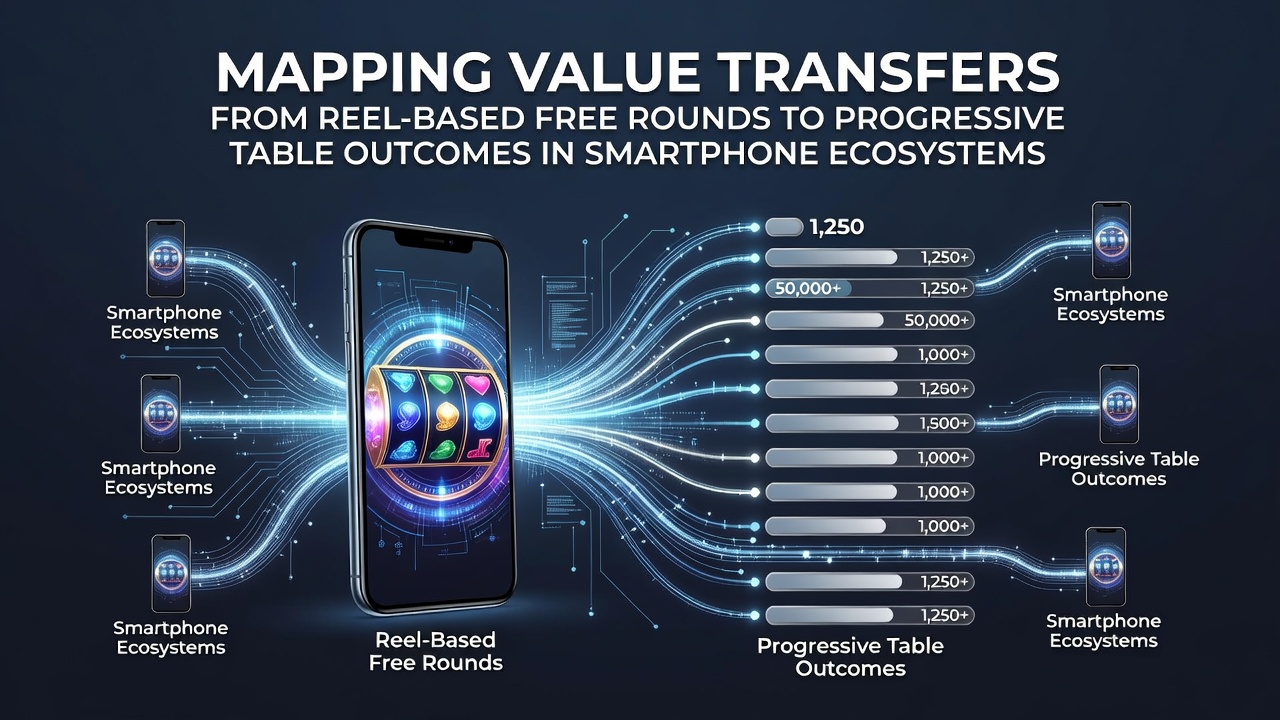
Smartphone casino platforms manage value transfers from reel-based free rounds into progressive table outcomes through integrated account ledgers that track credit movement in real time, and developers design these systems to maintain balance consistency across game categories while users switch between slot sessions and live dealer tables. Data from mobile operators shows that free spin credits generated on reel games convert into table stakes via standardized APIs that update player wallets instantaneously, whereas progressive jackpot pools draw from aggregated contributions across multiple titles including both slots and card games. Researchers at academic institutions have documented how these transfers occur without manual intervention, as backend servers apply conversion rates based on game rules that operators publish in advance.
Core Mechanisms in Smartphone Ecosystems
Application frameworks on iOS and Android devices handle value mapping by assigning unique identifiers to each bonus type, and these identifiers link free round outcomes directly to table game eligibility criteria so that credits earned from reels feed into progressive meters according to predefined allocation percentages. Industry reports indicate that such systems process thousands of transactions per minute during peak hours, while operators ensure compliance with jurisdictional standards that differ between regions like the United States and Australia. Observers note that smartphone ecosystems rely on secure tokenization to prevent duplication of credits during transfers, and this approach allows seamless movement from slot bonuses to table progressives without interrupting the user session.
Payment gateways integrated into casino apps further support these flows by reconciling bonus values against real-money deposits, although separate tracking modules isolate promotional credits to comply with auditing requirements set by bodies such as the Nevada Gaming Control Board. Studies from research centers reveal that conversion efficiency improves when operators synchronize reel and table databases in cloud environments, and this synchronization reduces latency that might otherwise affect jackpot accumulation rates during cross-game play.
Progressive Pool Contributions and Allocation
Progressive table outcomes accumulate value from multiple sources including direct wagers and transferred free round credits, with algorithms distributing portions of each reel bonus into shared pools that grow until triggered by specific table game events. Figures from European gaming associations demonstrate that mobile platforms contribute to these pools at rates tied to wager volume, whereas reel-based free rounds add fixed amounts per completed spin cycle before the system redirects remaining value to table interfaces. Those who analyze transaction logs find that allocation formulas account for game volatility and player activity patterns, which helps maintain pool growth across diverse smartphone user bases in markets like Canada and parts of Asia.

August 2026 marks the scheduled release of updated interoperability guidelines from the Australian Gambling Research Centre, which aims to standardize how value transfers register across devices and operators, and these guidelines build on existing data exchange protocols already in use. Platform developers incorporate these standards by embedding modular code that maps credits according to regional rules without requiring full application updates for every change.
Technical Integration and User Flow Examples
One documented case involves a mobile operator that routes free spin winnings through an intermediary ledger before releasing them for table play, and this step allows the system to apply any applicable wagering requirements before credits reach progressive tables. Experts have observed that such routing prevents premature depletion of bonus pools while users explore different game types on the same device. Smartphone notifications alert players when transferred values update jackpot displays, creating a continuous visual link between reel activity and table outcomes.
Another integration example comes from platforms that use real-time analytics to adjust transfer multipliers based on current pool sizes, and these adjustments follow mathematical models published in industry white papers from organizations like the International Gaming Standards Association. Data indicates that users who engage with both slot and table sections experience higher retention when transfers complete without additional steps, although operators must still provide clear disclosures about how each credit type contributes to progressives.
Regulatory Context Across Regions
Regulatory frameworks in multiple jurisdictions require operators to log every value transfer for audit purposes, and agencies such as those in Nevada and Malta enforce reporting intervals that capture both reel-to-table movements and pool contributions. Academic papers from university research teams highlight how these logs support transparency without exposing individual player data, and the resulting datasets help identify patterns in bonus utilization across smartphone ecosystems. Industry groups continue to refine best practices for cross-game mapping to align with evolving device capabilities and network speeds.
Conclusion
Mapping value transfers from reel-based free rounds to progressive table outcomes relies on coordinated technical systems that operate within smartphone casino environments, and ongoing developments in data standards support consistent tracking across regions. Reports from regulatory and research sources continue to inform how operators structure these flows while maintaining compliance and functionality for users.