1 Jul 2026
Tracing Bonus Pathways: How Payment Gateways Align Slot Session Data with Live Casino Entries
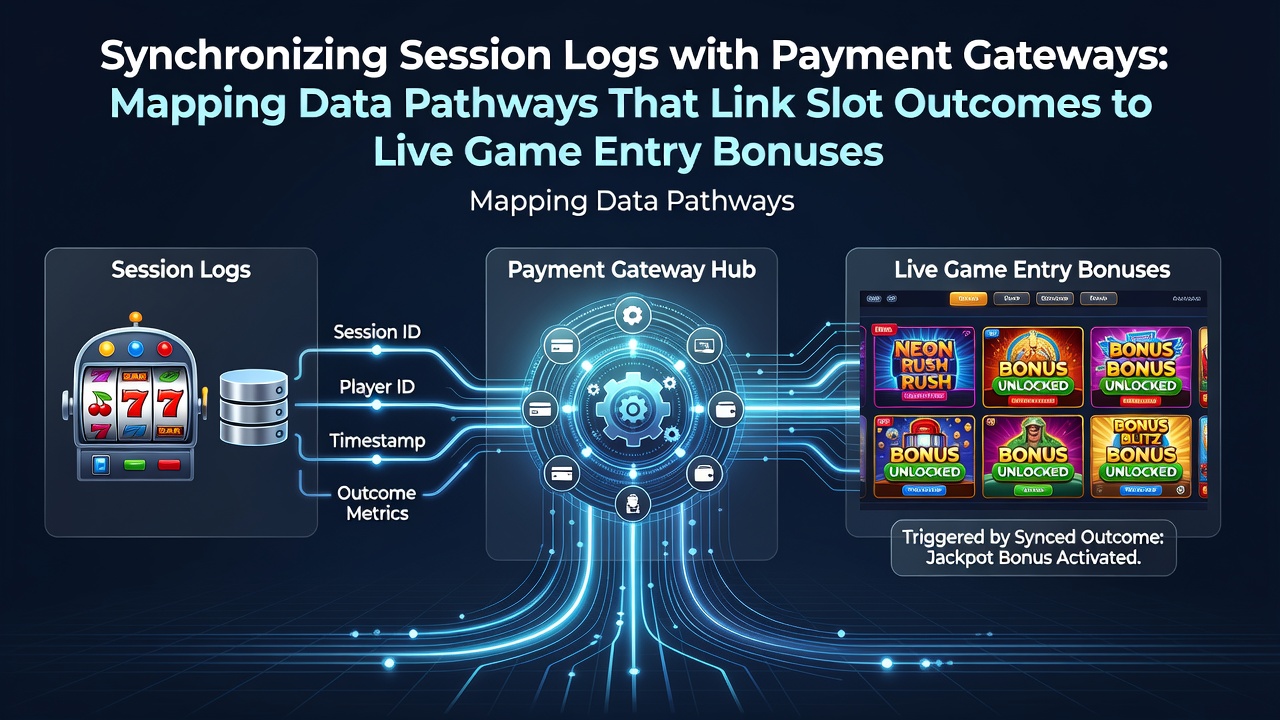
Session logs capture every spin outcome, wager amount, and timestamp from slot machines while payment gateways handle the financial layer that converts those results into live game entry bonuses, creating a mapped pathway that operators rely on for accurate reward distribution. Data flows through structured APIs that record player activity in real time and match it against predefined bonus triggers, ensuring that a qualifying slot sequence automatically generates credit for live dealer tables or progressive jackpots. Researchers have observed this process across multiple platforms where standardized data fields like session ID, outcome value, and payment confirmation codes link teh two environments without requiring separate manual entries.
Core Components of the Synchronization Process
Payment gateways serve as the central hub that receives encrypted session data from slot servers, validates the transaction details, and routes the appropriate bonus allocation to a player's live game account, all within milliseconds of the triggering event. Session logs typically include fields for bet size, win multiplier, game type identifier, and player account reference, which gateways cross-reference against bonus rules stored in a separate compliance database. According to industry reports from the Nevada Gaming Control Board, operators that maintain synchronized logs reduce discrepancies in bonus payouts by up to 40 percent compared with systems that rely on batch processing at the end of each day.
Real-time mapping occurs through middleware layers that translate slot-specific outcome codes into payment gateway instructions, allowing a player who hits a designated free-spin threshold to receive instant eligibility for a live roulette bonus round. These middleware solutions employ checksum protocols and timestamp verification to prevent duplicate or missed entries, while also logging every data handoff for audit purposes. Observers note that platforms integrating these systems often see faster bonus redemption rates because the pathway eliminates the delay between slot completion and live game access.
Data Mapping Techniques and Pathway Structures
Mapping begins when a slot session ends and the log file transmits a structured payload containing outcome metrics to the payment gateway via secure HTTPS endpoints, where rule engines evaluate whether the results meet bonus criteria. Gateways then generate a tokenized bonus entry that appears in the player's live casino lobby, complete with an expiration timer and usage conditions that mirror the original slot parameters. Studies from academic sources such as the University of Nevada, Reno have documented how consistent field mapping across different game providers reduces errors in multi-vendor environments, particularly when slot outcomes must translate into live table entry credits.
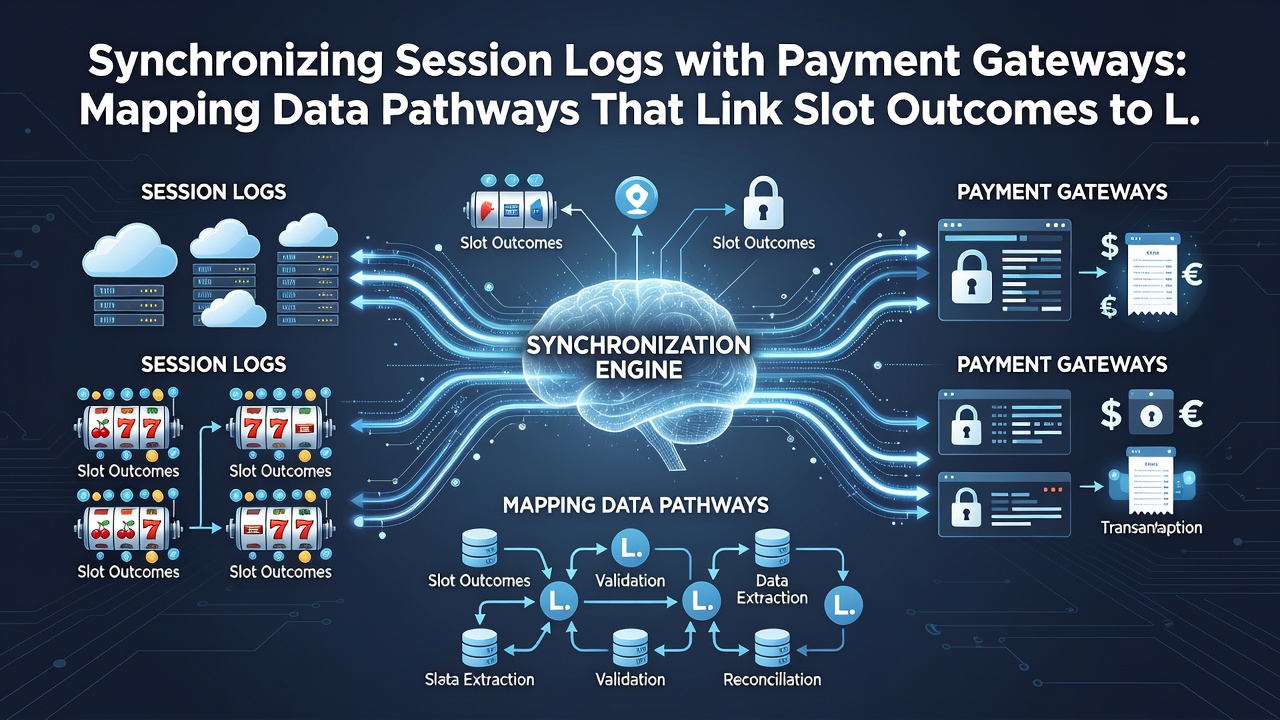
Additional layers include fraud detection modules that flag unusual patterns in session logs before the gateway releases any bonus, protecting both operators and players from mismatched or manipulated data. These modules compare historical player behavior against current session metrics and trigger secondary verification when anomalies appear, such as unusually high win rates followed by immediate live game bonus claims. The process remains invisible to the end user yet forms the backbone of promotional campaigns that blend slot and live offerings into unified player journeys.
Integration Challenges and Technical Standards
Legacy systems sometimes create friction during synchronization because older slot platforms use proprietary log formats that require custom adapters before they reach modern payment gateways, leading some operators to schedule phased upgrades. Newer standards emerging in 2025 emphasize unified data schemas that allow direct transmission of outcome details without intermediate translation steps, and several providers have announced compliance timelines aligned with July 2026 implementation windows. These updates aim to standardize how session identifiers, outcome hashes, and bonus eligibility flags travel between components, reducing integration time for new game titles.
Security protocols such as tokenization and end-to-end encryption protect the data pathways while still permitting gateways to perform the necessary calculations for bonus amounts, and operators report that maintaining separate audit trails for both slot logs and payment records helps satisfy regulatory reviews in multiple jurisdictions. Those who have studied these systems note that platforms adopting open API frameworks experience fewer downtime incidents during high-traffic periods when thousands of sessions conclude simultaneously.
Future Developments in Pathway Efficiency
Emerging technologies like distributed ledger entries for bonus tracking are being tested in pilot programs, where each mapped transaction receives an immutable record that both slot servers and payment gateways can reference independently. This approach could further reduce reconciliation efforts and provide players with transparent histories of how their slot outcomes converted into live game access. Data from early trials indicates measurable improvements in processing speed, though widespread adoption remains dependent on hardware upgrades across casino networks.
Conclusion
The synchronization of session logs with payment gateways establishes reliable data pathways that connect slot outcomes directly to live game entry bonuses, supporting seamless player experiences across hybrid casino environments. Continued refinement of mapping standards and security measures will determine how efficiently these connections scale as game libraries expand and promotional structures grow more complex.