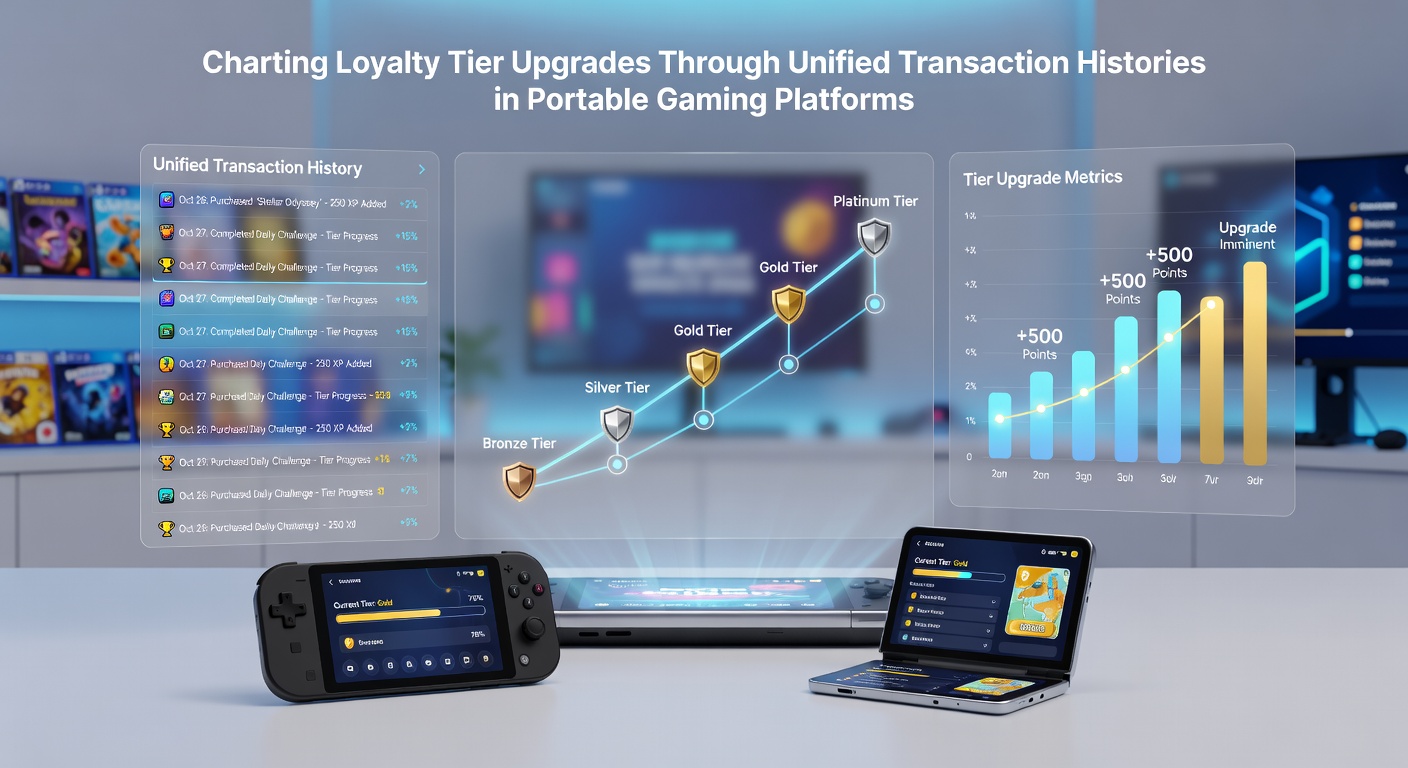
22 May 2026
Unified Transaction Histories Fueling Loyalty Tier Advancements in Mobile Gaming Ecosystems
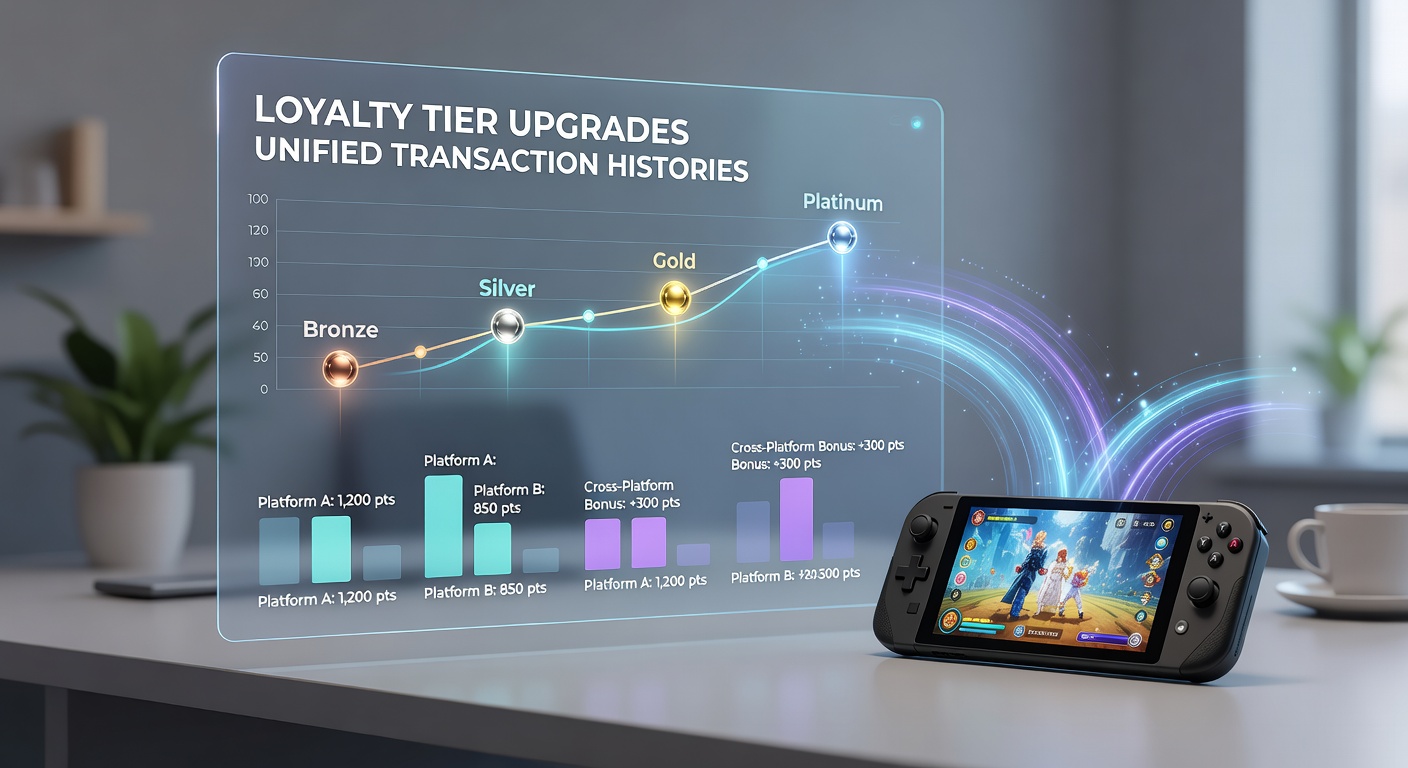 Portable gaming platforms have integrated unified transaction histories to track player activity across purchases, play sessions, and in-game interactions. These systems compile data from multiple sources into single profiles that determine eligibility for loyalty tier upgrades. Research from industry reports shows platforms using this approach achieve higher retention rates compared to fragmented tracking methods. Developers combine records of microtransactions, subscription renewals, and achievement milestones. The resulting datasets allow algorithms to calculate progression thresholds automatically. Observers note that players reach higher tiers faster when histories remain consistent across devices and game titles.
Core Components of Unified Tracking Systems
Transaction histories pull information from app stores, direct payments, and cloud-based save files. Each entry logs timestamps, amounts spent, and activity types. When aggregated, these details form comprehensive player profiles that loyalty programs reference during tier evaluations. Studies indicate this method reduces errors in upgrade decisions by consolidating what once existed in separate databases.
Platforms apply standardized scoring models to the combined data. Points accumulate from consistent spending patterns while bonus multipliers activate after certain play volumes. Researchers have documented cases where unified systems cut processing times for tier changes from days down to minutes.Progression Mechanics Across Major Platforms
Data integration occurs through secure APIs that sync real-time activity between mobile clients and central servers. Players advance when cumulative metrics hit predefined benchmarks. For instance, reaching a mid-tier often requires both a set number of transactions and a minimum engagement span across several titles. Analysts tracking these systems report that portable platforms began expanding unified histories significantly after 2023 updates to cross-device authentication standards. By May 2026, multiple providers plan to incorporate predictive analytics that forecast upcoming tier eligibility based on recent transaction trends. One developer implemented a tier system where unified histories automatically adjusted rewards for returning users who maintained spending across different game genres. The approach led to measurable increases in session lengths according to internal metrics shared with trade publications.